



Pasta mill · Southern Europe
An estimated US$220,000 a year.
A pasta mill improved yield by an estimated 0.5% through moisture management.
See the case →Connect measurements, digital twins and existing systems around the decisions your teams need to make.
Site-level results from individual customers.
A pasta mill improved yield by an estimated 0.5% through moisture management.
See the case →A maltster kept barley in specification through extended storage.
See the case →Chiron and our MCP server give your agents measured gas, moisture and temperature, plus a predictive model of the grain and every remediation plan with aeration or fumigation.
The same sensors, model and agent cover the grain coming into the mill and the finished goods going out, such as packaged flour and other foodstuffs. We protect what goes in, and what comes out.
Centaur delivered:
Chiron sends weekly and on-demand reports to the plant managers and gives the food-safety and quality team live visibility, tied to the miller's continuous-improvement plan.
No hotspots across about 500,000 metric tons of wheat a year.
Repeat fumigations down from 50% to <15%.
A fumigation is repeated when phosphine stays below the protocol threshold for the minimum exposure time, or live insects are found at outturn. Figures worked out with the customer.
Bring existing data through an API. Start with the sources and workflows that matter to your operation.
Discuss an integrationReview data ownership, access, retention and security with our team.
Request the data and security briefing →
This harvest is wet, compressed and quality-stressed, and it is pouring into a full system. In a season like this the discount decides more than the bid. Part 2 follows the judgment around grain to the place where it turns into money, and asks what an elevator gains when it can prove its grade.
GrainAI · Sotiris Bantas
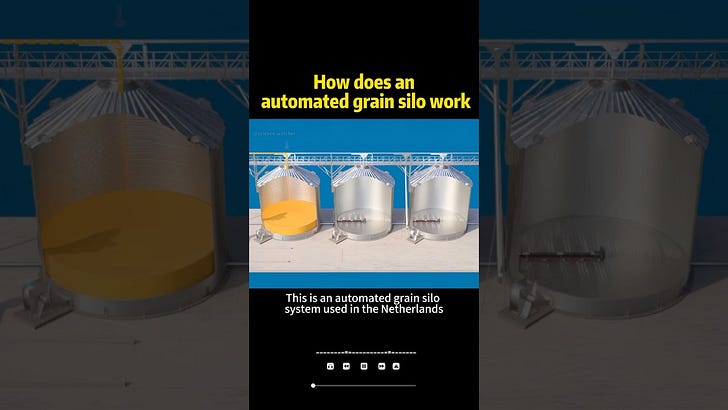
Elevators like CHS Herman have automated the motion of grain, from trucks and scales to probes, tickets and train loadout. The judgment around grain is another matter. Whether a load should be accepted, discounted, blended, aerated or fumigated is still largely a human call. We have barely begun to automate it.
GrainAI · Sotiris Bantas